
Think Through Winter Before It Shows Up
Winter storms don’t usually give much notice. One day it’s cold, the next day roads are icy and everyone’s trying to grab the same supplies at once. The easiest way to stay ahead of it is to think through two simple questions now: How would we get through a few days inside? and What will we need once it’s time to clean up outside?
Start With Staying Warm and Comfortable Inside
If the power goes out or your main heat struggles to keep up, having a backup plan makes all the difference. That doesn’t mean buying something new for the first time during a storm. It means checking what you already have and filling in the gaps.
Portable electric heaters, propane heaters, kerosene heaters, and Buddy-style heaters can help take the edge off cold rooms, garages, or basements. If you already own one, now is the time to test it and make sure you have the right fuel on hand, whether that’s propane tanks, small cylinders, or kerosene. Cold-weather gear matters too. Heated jackets, insulated gloves, and hand or toe warmers aren’t just for being outside. They’re a big help indoors if the house cools down.
One thing people often forget until it’s too late is protecting pipes. Heat tape, heat cables, thermostats, and pipe insulation are small items that can prevent a big headache later. Spending a few minutes now on exposed pipes in crawlspaces, basements, or garages can save you from dealing with frozen or burst lines when temperatures drop.
And if you have outdoor water sources you rely on, like bird baths, bird bath heaters can keep water from freezing solid during prolonged cold snaps.
Make Being Stuck at Home Easier
Even short winter storms can turn into longer stays at home than expected. That’s where the basics matter. Flashlights with fresh batteries, candles, matches, and phone charging banks help keep things moving if the lights go out. Shelf-stable food, bottled water, and easy meals mean you’re not stressing about grocery runs when roads aren’t safe.
This is also a good moment to think about pets. Extra food, bedding, and a warm, dry place to ride out the cold keeps everyone more comfortable.
Then Think About What Happens After the Storm
Once the snow or ice stops, the work usually starts right away. Having the right tools ready makes cleanup faster and safer.
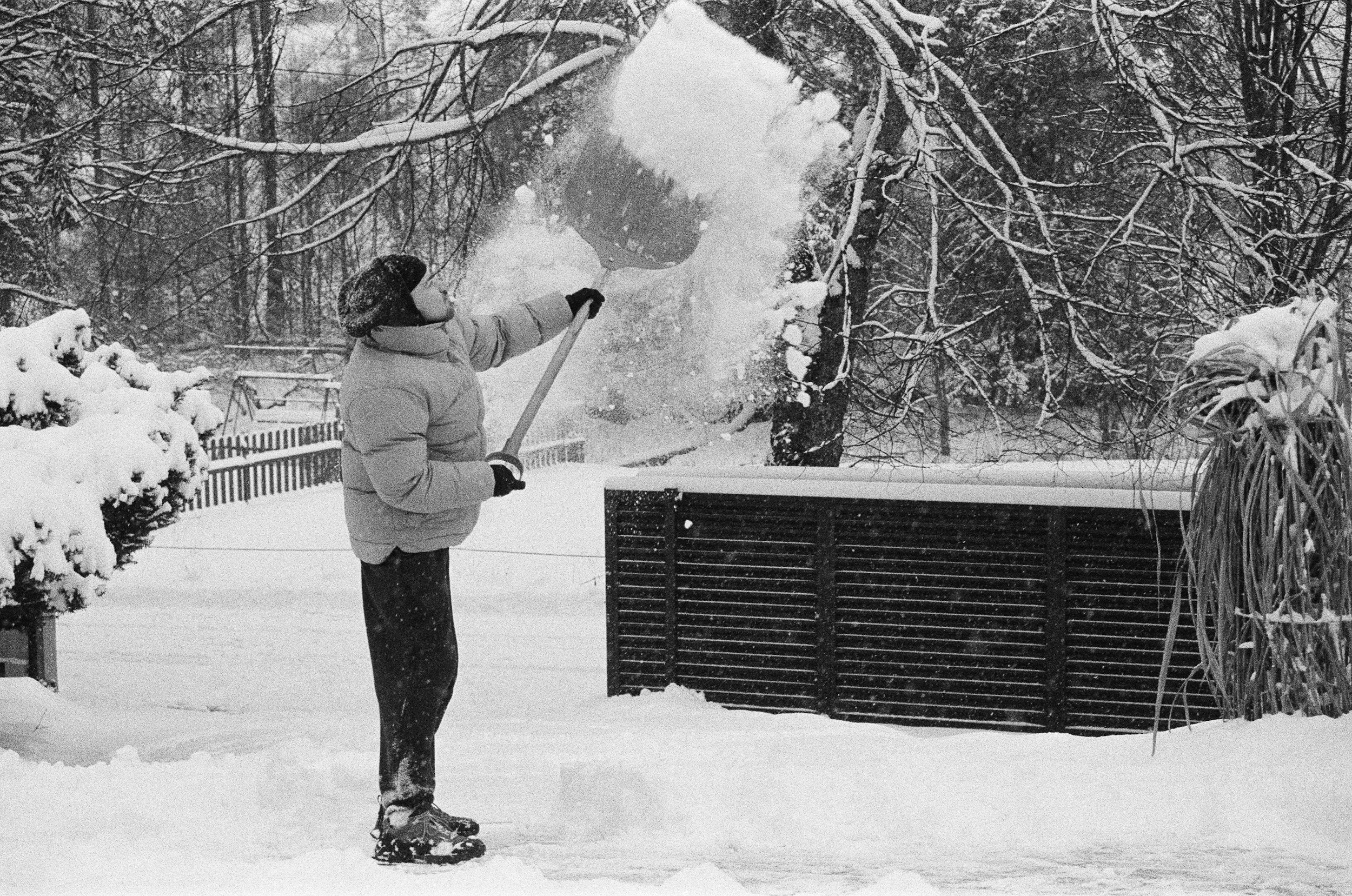
Snow shovels, pushers, and ice scrapers are obvious, but ice melt, salt, and salt spreaders are what really help keep walkways and driveways safe as things thaw and refreeze. For stubborn ice, weed and snow torches can help clear problem spots without hacking away at concrete.
Vehicles need some attention too. Windshield washer fluid rated for freezing temperatures and antifreeze are easy to overlook until you’re trying to leave the driveway.
Storms also tend to leave a mess behind. Pruning tools, grain scoops, and durable work gloves come in handy for clearing downed branches, moving salt, or cleaning up snow-packed areas. And if the snow turns into a little fun, sleds and toboggans make the most of it once everything is safe.
A Simple Way to Check Your Readiness
Walk through your house, garage, and driveway now and imagine not leaving for a couple of days. Are you warm enough? Are your pipes protected? Could you safely clear your sidewalk and driveway afterward?
If something feels like a “we should probably grab that,” it’s better to do it now than during the rush before a storm. A little preparation up front goes a long way toward making winter weather feel manageable instead of stressful.