
Winter Weather on the Farm: Plan Ahead and Slow It Down
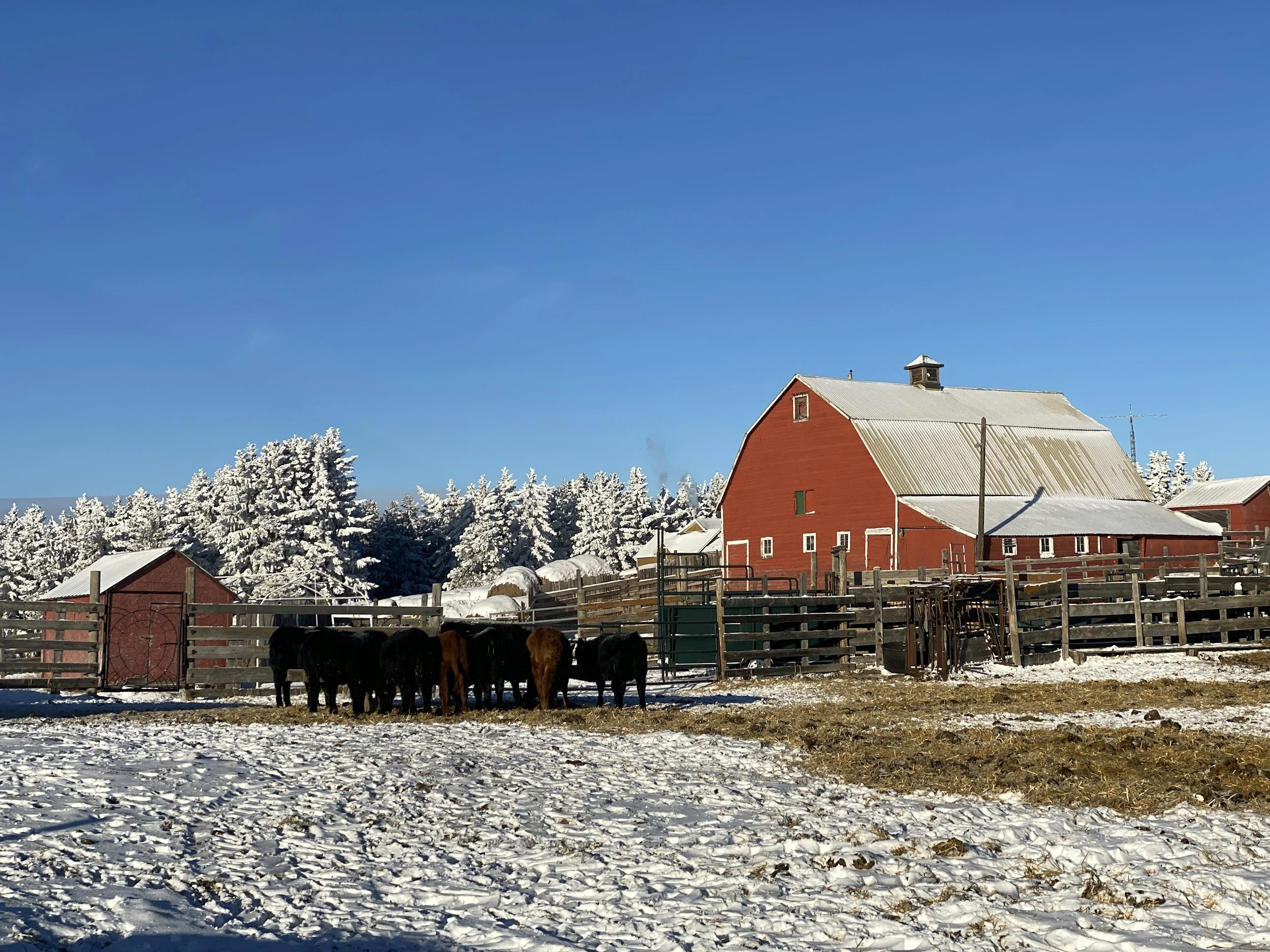
Winter looks different in the ag world. Chores don’t stop, livestock still need fed, and equipment still has to run, even when the weather turns cold, wet, or unpredictable. The best way to handle winter on the farm isn’t rushing through it. It’s planning ahead and giving yourself a little margin before the first hard freeze or snow event hits.
Two things matter most this time of year: having feed and supplies on hand before roads and deliveries get tricky, and taking extra care around equipment when conditions aren’t forgiving.
Get Feed and Grain Ahead of the Forecast
If winter weather has taught producers anything, it’s that waiting until the last minute rarely works out. Snow, ice, or prolonged cold can slow deliveries, limit access to mills, and make travel harder than expected.
Now is the time to look honestly at what’s in the bin, in the feed room, or on hand for the next stretch of winter. If you’re cutting it close, it’s worth getting feed, grain, and mineral lined up early so weather doesn’t dictate your schedule.
Think through how many days of feed you have on hand if deliveries were delayed, whether increased intake during cold snaps will shorten that timeline, and if bagged feed, supplements, or minerals need restocked before conditions worsen. A little extra inventory ahead of time takes pressure off you and your operation when winter weather shows up at the worst possible moment.
Our Commitment During Winter Weather
At the same time, we want producers to know that your cooperative will continue doing everything we can to keep feed, grain, and supplies moving throughout the winter. Our teams plan ahead, monitor conditions closely, and work to maintain operations even when the weather makes it difficult.
That said, winter safety matters for everyone. Just as we encourage producers to slow down and work safely, we’re committed to protecting our employees when roads, equipment, and conditions become hazardous. There may be times when weather impacts delivery timing or store operations, but those decisions are made with safety in mind for both our customers and our crews.
Planning ahead on your end helps us serve you better when winter weather is at its worst.
Cold, Wet Conditions Change How Equipment Behaves
Winter isn’t just hard on people. It’s hard on equipment too. Cold temperatures, moisture, ice, and mud all add risk to everyday tasks.
Hydraulic systems respond slower. Metal surfaces get slick. Steps, platforms, and ladders ice over quickly. That combination is where accidents tend to happen.
This is the season to slow things down just a notch. Take a few extra seconds getting on and off equipment. Keep handholds, steps, and platforms clear of ice and mud. Wear gloves that provide warmth without sacrificing grip. Avoid rushing adjustments when equipment is cold or stiff.
Most winter accidents don’t happen because someone didn’t know better. They happen because someone was cold, in a hurry, and trying to get one last thing done.
Lighting, Visibility, and Traction Matter More Than You Think
Shorter days mean more chores in low light. Add snow or freezing rain, and visibility drops fast. Make sure lights on tractors, loaders, and trucks are working properly, and replace burnt-out bulbs before you need them.
Traction is another big one. Slips on concrete, icy gravel, or metal surfaces can happen quickly. Paying attention to footwear, spreading ice control where it makes sense, and keeping high-traffic areas as clear as possible can prevent injuries that take you out of commission for weeks.
A Quick Winter Readiness Check
Before winter really settles in, walk your operation with fresh eyes and ask yourself:
Do I have enough feed and grain if deliveries are delayed?
Are high-use areas around equipment and livestock safe in icy conditions?
Am I giving myself enough time to work carefully when things are cold and wet?
Winter doesn’t have to be stressful, but it does demand respect. Planning feed ahead of time and slowing down around equipment aren’t signs of caution. They’re signs of experience.
Taking a little time now helps ensure winter stays manageable, chores stay routine, and everyone makes it through the season safely.
Your Locally-Owned Farm Store