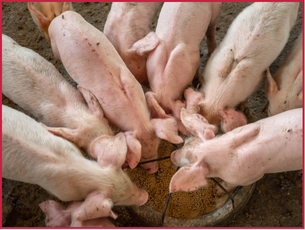
Winter Feeding Tips for Backyard Hogs
Cold weather changes the game for backyard hog producers. As temperatures drop, pigs burn more energy just to stay warm, which means nutrition matters even more during the finishing phase. Dialing in the right feed and timing your protein changes can help keep hogs gaining efficiently right up to processing day.
One of the biggest cold-weather priorities is calories. Hogs need enough energy to maintain body heat without stalling growth. Windbreaks, dry bedding, and access to clean water that isn’t frozen all help reduce stress and keep feed working for you instead of against you. If pigs are cold, they eat more just to maintain, so consistent access to a balanced ration is key.
Protein level plays a big role in how hogs grow, especially as they move through different weight ranges. Younger, lighter hogs need higher protein to support muscle development. As they get heavier, protein needs gradually decrease while energy remains important for finish and condition.
Common options available at your local Rockingham Cooperative include:
18% Hog Feed works well for younger hogs or lighter pigs that are still building muscle, typically in the early grower stage.
16% Hog Developer Pellets are a solid option as hogs move into mid-growth, usually around 100–150 pounds, when frame and muscle are still developing but at a slower pace.
13% Hog Feed fits well as hogs approach finishing weights, helping maintain growth without pushing excess protein.
12% Hog Grower Pellets are often used in the final stretch before slaughter, focusing on efficient weight gain and finish rather than muscle development.
Exact timing can vary depending on genetics, housing, and weather conditions, but watching body condition is just as important as watching the scale. If hogs look thin or growth slows during cold snaps, it may be worth holding a higher protein feed a little longer or increasing feed intake slightly.
Cold weather can also impact feed efficiency. Wet or frozen feed wastes money fast, so keep feeders dry and covered when possible. Feeding at consistent times and checking feeders daily helps prevent gaps that can set hogs back during winter months.
All of these feeds are manufactured at Rockingham Cooperative’s Mills and are available in convenient 50-lb bags or bulk options, making it easy for backyard producers to scale feeding programs to match their setup. Whether you’re finishing one hog or several, having access to locally made, consistent rations helps take the guesswork out of winter feeding.
If you’re unsure when to switch protein levels or want help choosing the right formula for your hogs this season, or supplies you need to maximize their prodcution, stop in and talk with our team. We’re here to help you finish strong, even when the weather doesn’t cooperate—Your Locally-Owned Farm Store.